Introduction to the Golden Triangle: What to Expect
The Golden Triangle is a captivating tourist circuit in India, encompassing three iconic cities: Delhi, Agra, and Jaipur. This triangle not only serves as a geographical marker but also represents a rich tapestry of India’s cultural, historical, and architectural heritage. Each city in this circuit boasts its unique charm, offering tourists an extensive range of experiences that appeal to various interests.
Delhi, the bustling capital, presents the perfect amalgamation of modernity and history. The city is home to numerous landmarks, such as the majestic Red Fort and the sprawling Qutub Minar, which reflect the architectural prowess of different eras. Additionally, the diverse culinary scene and vibrant markets provide opportunities for visitors to immerse themselves in local culture. The historical significance of Delhi is vast, as it has been the site of many important events and has seen various rulers over centuries.
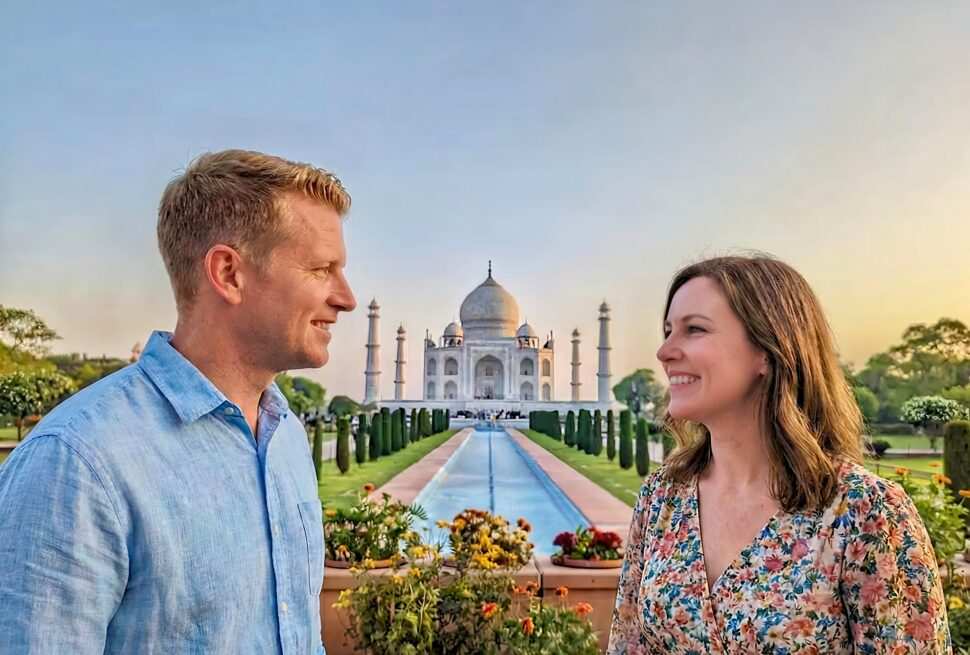
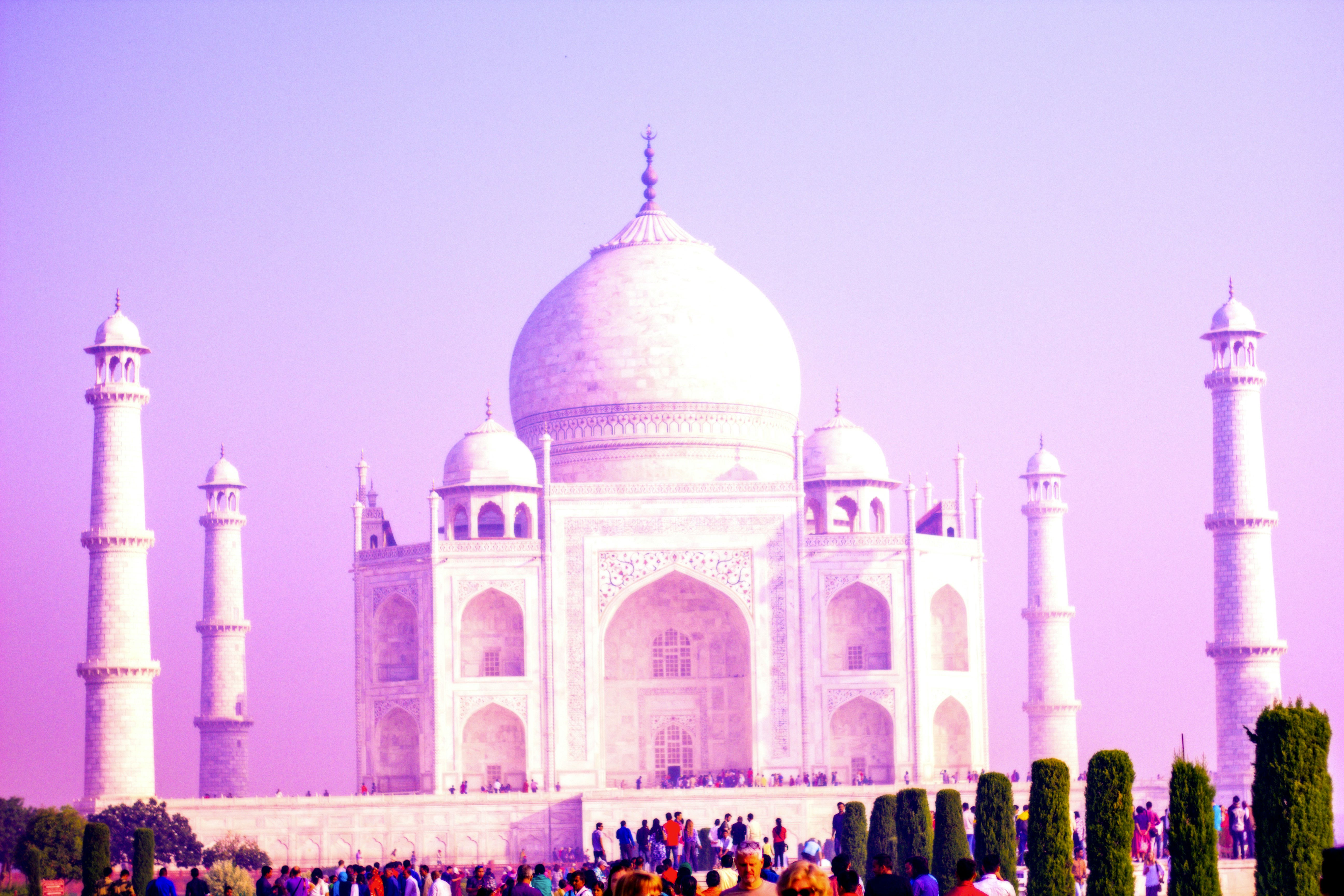
Agra, known for the awe-inspiring Taj Mahal, is a must-visit for anyone traveling along the triangle route. The Taj, a UNESCO World Heritage Site, is hailed as one of the wonders of the world, drawing millions of tourists each year. Beyond the Taj, Agra also houses other remarkable sites, including the Agra Fort and the Itmad-ud-Daula’s Tomb, each contributing to the city’s historical narrative and architectural richness.
Jaipur, famously referred to as the Pink City, captivates travelers with its vibrant culture and stunning palaces. The Hawa Mahal and Amber Fort exemplify the Rajputana architecture, while the bustling bazaars teem with handicrafts and traditional textiles. The city is also host to numerous festivals that showcase its local customs and traditions. The best time to explore the Golden Triangle is between October and March when the weather is particularly pleasant, enhancing the overall experience. Travelers are encouraged to explore beyond the well-trodden paths to truly appreciate the depth of offerings in each city.
Exploring Delhi: Beyond the Monuments
Delhi, the bustling capital of India, is a mosaic of history, culture, and modernity. While many travelers are drawn to its iconic landmarks such as the Red Fort and India Gate, the city also offers a plethora of hidden gems that provide an authentic glimpse into its vibrant life. One of the most captivating aspects of Delhi is its diverse local markets, where one can experience the city’s dynamic atmosphere.
Take, for instance, the bustling lanes of Chandni Chowk. This historic market is not only famous for its narrow alleys lined with shops selling textiles and spices but also for its tantalizing food scene. Be sure to try local delicacies like parathas and jalebis from traditional eateries, which many Delhiites regard as essential culinary experiences. Additionally, the nearby Jama Masjid, one of the largest mosques in India, adds a spiritual dimension to this exploration, inviting visitors to appreciate its architectural grandeur.
Beyond food and shopping, Delhi is home to various cultural experiences that often go unnoticed by tourists. Attending a live performance at India Habitat Centre allows one to engage with the local artistic community. Performances range from classical dance to contemporary theatre, providing insight into India’s rich cultural heritage. Furthermore, visiting places like the Kiran Nadar Museum of Art showcases the country’s evolving art scene and encourages conversations about social issues through visual storytelling.
An essential tip for travelers is to venture beyond the well-trodden tourist spots. Spend time in neighborhoods like Hauz Khas Village, where charming cafes, art galleries, and boutiques come together to create a vibrant tapestry of urban life. Engaging with locals, understanding their stories, and exploring the back streets can transform your visit into a journey of meaningful connections and discoveries. These experiences collectively allow travelers to immerse themselves in the intricate layers of Delhi, revealing the true essence of the city.
Agra’s Treasures: More Than Just the Taj Mahal
While the Taj Mahal undoubtedly takes center stage as Agra’s most celebrated site, there exist numerous other historical and cultural treasures worth exploring in this vibrant city. Agra is steeped in Mughal heritage, and its attractions provide visitors with a deeper understanding of the historical significance of the region. One such site is the magnificent Agra Fort, a UNESCO World Heritage site, which offers a glimpse into the grandeur of Mughal architecture. Built in the 16th century by Emperor Akbar, the fort showcases a stunning blend of Persian and Indian architectural styles and served as the primary residence of the Mughal emperors until 1638.
Beyond the fort, the Tomb of Itimad-ud-Daulah, commonly referred to as the Baby Taj, is another gem that deserves attention. This exquisite tomb, built in the early 17th century, is often overshadowed by its more famous counterpart but features intricate marble inlay work and a serene garden setting. The Baby Taj is a testament to the artistry that characterizes Mughal architecture and is a perfect spot for those seeking a quieter experience away from larger crowds.
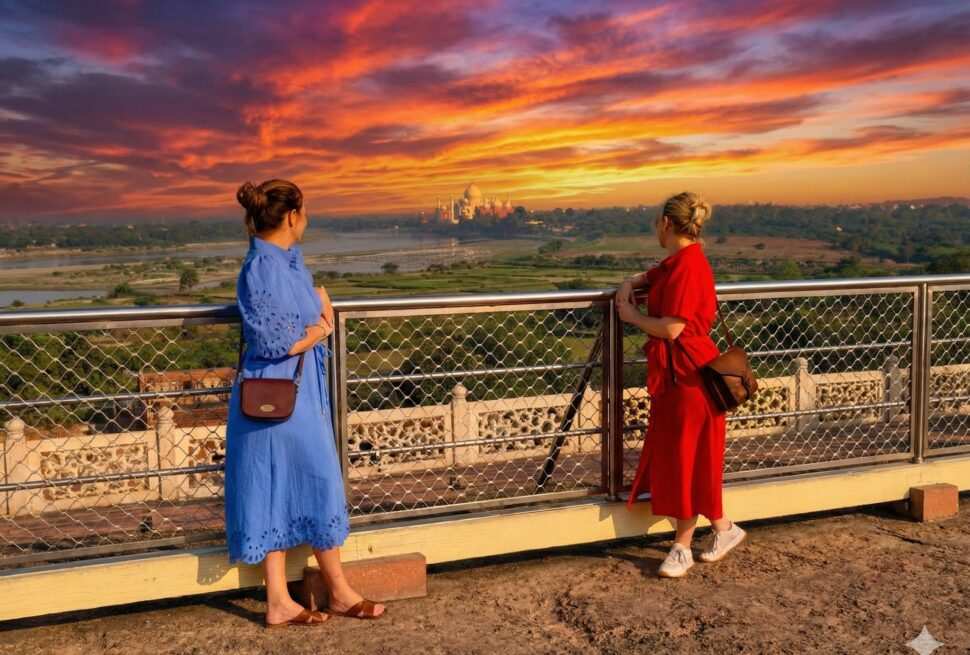
Moreover, visitors should not miss Mehtab Bagh, a beautiful garden located directly across the Yamuna River from the Taj Mahal. This picturesque park offers stunning views of the iconic monument, particularly during sunrise and sunset, providing an opportunity to appreciate its beauty in a serene environment. It is an ideal location for photography enthusiasts and those wishing to enjoy a peaceful retreat in nature. To enhance the experience, consider visiting these attractions during weekdays or early in the morning, which can help in avoiding large tourist groups. Agra is rich in history and beauty, inviting travelers to delve into its lesser-known treasures that complement the allure of the Taj Mahal.
Jaipur: The Pink City with Hidden Charms
Jaipur, famously known as the Pink City, serves as the capital of Rajasthan, a state deeply rooted in India’s rich cultural tapestry. While its iconic Amber Fort and City Palace draw hordes of tourists, the true essence of Jaipur lies in its lesser-known attractions that illuminate the city’s vibrant culture and heritage. Travelers keen on uncovering the hidden charms of this majestic city will find an array of experiences that reflect local artistry, spirituality, and commerce.
Beyond the busy streets and well-traveled tourist paths, one can explore artist villages such as Samode and Dhula, where talented craftsmen dedicate their lives to preserving traditional Rajasthani art forms. Visitors can engage with artisans who specialize in block printing and pottery, providing an exceptional opportunity to appreciate the craftsmanship and perhaps take home a unique piece of local art. These villages not only highlight the skills passed down through generations but also offer a glimpse into the lives of the local populace.
The hidden temples of Jaipur present another layer of exploration for those interested in spirituality. Shree Khandela Ji Ka Mandir, for instance, is often overlooked by tourists but stands as a testament to the city’s spiritual diversity. The serene atmosphere and intricate architecture provide a peaceful respite from the bustling city life, allowing visitors to connect with the spiritual nuances of the region.
Jaipur’s vibrant bazaars, such as Johari Bazaar and Bapu Bazaar, are crucial for experiencing the city’s lively commerce and local traditions. From exquisite jewelry to handcrafted textiles, these markets offer an authentic shopping experience steeped in local culture. As you navigate through the colorful stalls, you might even stumble upon hidden eateries serving delicious local cuisine, a perfect complement to the city’s iconic flavors.
Inhabitants of Jaipur take immense pride in their heritage, and understanding this cultural context significantly enhances a visitor’s experience. Engaging with locals and participating in festivals can provide invaluable insights into Rajasthani life. This cultural immersion plays a vital role in appreciating Jaipur’s authenticity beyond its renowned landmarks.